
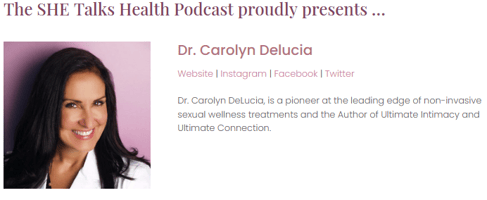

Dr. Carolyn DeLucia is a guest on Sophie Shepherd’s “She Talks Health” podcast where she talks,...
APC makes the case to HHS’s watchdog
When the HHS Office of the Inspector General comes calling, you show up – and you come prepared. APC was invited to participate in a listening session this week as part of OIG's ongoing evaluation of GLP-1 compounding, and we made the most of the opportunity.
The framing we brought: what happened with GLP-1s was a genuine confluence of events unlike anything in recent memory. A new drug. A prolonged shortage. A price point that put the branded product out of reach for most patients, with insurance coverage that largely didn't exist. Into that gap stepped compounding pharmacies – meeting demand that manufacturers couldn't, at a price patients could actually afford, with a track record of relative safety.
From there, the conversation covered the details any honest evaluation of this space requires: 503A adherence to FDA's “essentially a copy” guidance; the persistent conflation between legitimate, state-licensed compounding pharmacies and the illicit actors who were the actual source of most patient safety concerns; med spas operating outside the enforcement reach of state boards of pharmacy; the rise of telehealth and 503B sourcing to 503A pharmacies. We also flagged concerns about how FAERS data and FDA statements have been used – and on the elevated scrutiny around API quality and advertising claims, we drew a distinction that often gets lost: some of those concerns are legitimate. Some are not.
APC will continue to engage as OIG's evaluation moves forward, but getting our perspective into that room early was a great win.